"You taste heat, but also discipline. You taste richness, but also refinement. You taste a dish that belongs to mornings, memory, and the long conversation between tradition and daily life."
Some dishes are popular because they are delicious. Others last because they carry memory. Bún Bò Huế belongs to the second group just as much as the first.
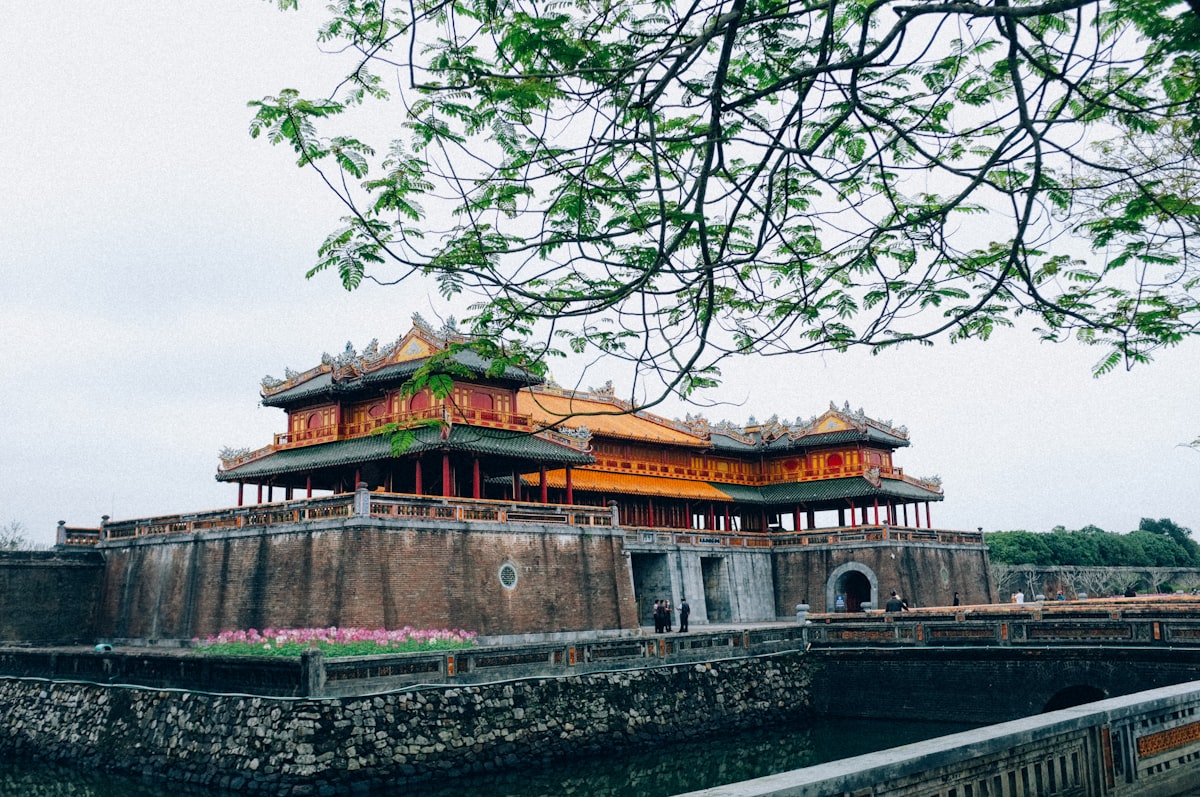
To understand the history of Bún Bò Huế, you have to understand Huế itself: a city of river light, royal architecture, ritual life, and a culinary tradition shaped by both refinement and endurance. This is not a soup that emerged from convenience alone. It carries the mark of a place where food has long been treated as both nourishment and expression.
Why Huế Matters
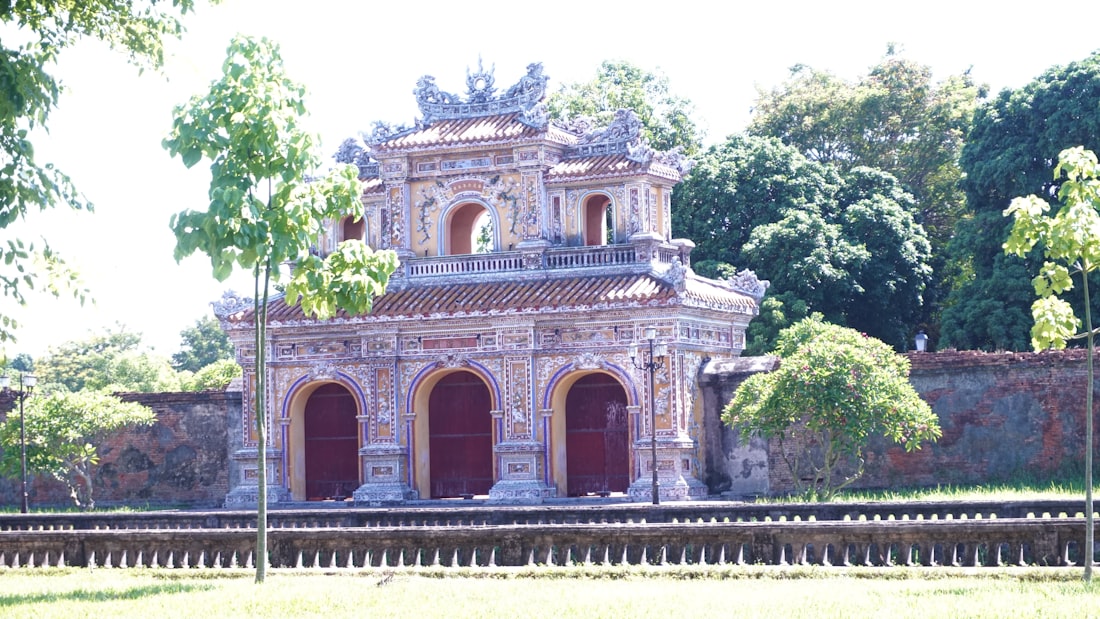
Huế is one of Vietnam's most culturally significant cities. It was closely associated with imperial life, courtly aesthetics, and a way of cooking that prized balance, beauty, and precision. Even everyday dishes from Huế often feel more layered and deliberate than outsiders expect.
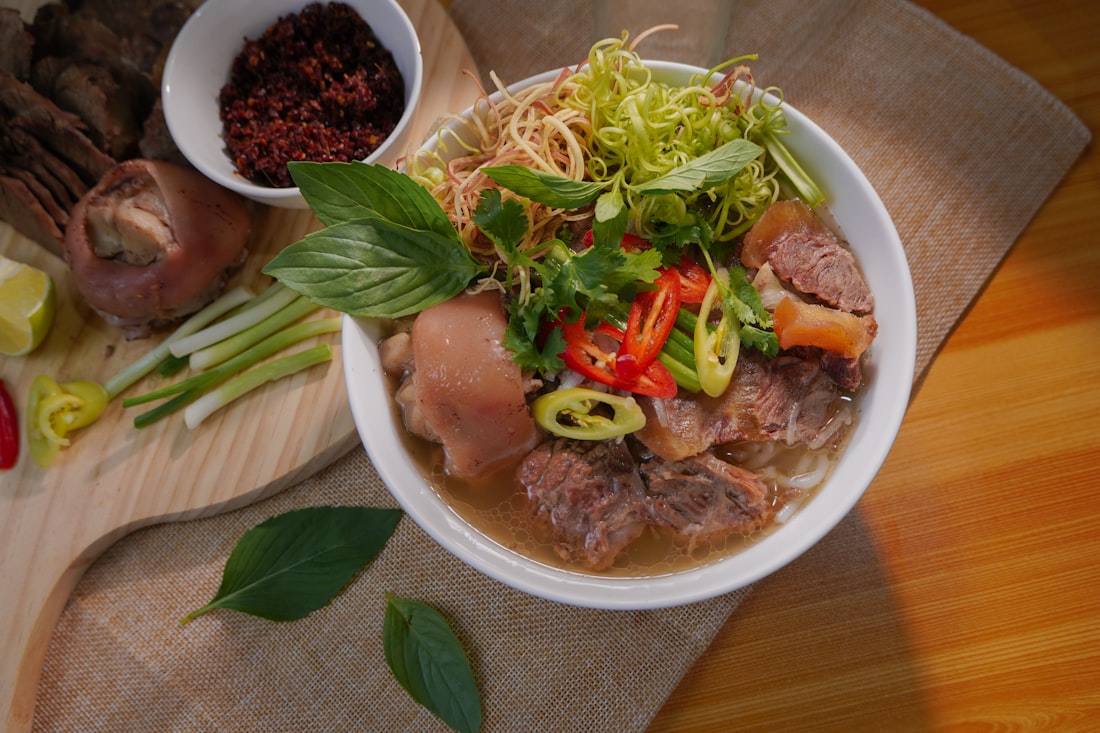
Bún Bò Huế reflects that identity. The broth is bold, but not careless. The bowl is rich, but still structured. The colors matter. The herbs matter. The order of building flavor matters.
A Dish Shaped by Local Taste
Central Vietnam has long had a reputation for assertive flavors, especially compared with the gentler profile many global diners associate with phở. In Bún Bò Huế, that regional character becomes unmistakable.
Lemongrass gives the broth its fragrance. Mắm ruốc adds depth. Chili brings heat and energy. Thick noodles make the dish feel grounded and substantial. The result is a bowl that announces where it comes from before anyone says the city's name.
To understand what each of these elements contributes, our essential ingredients guide goes deeper.
From Tradition to Identity
Part of what makes Bún Bò Huế so important is that it sits at the meeting point of daily life and inherited knowledge. It is not just restaurant food. It belongs to market mornings, family kitchens, neighborhood stalls, and long-practiced methods that are often learned by watching and repeating rather than by measuring everything on paper.
That is one reason the dish matters culturally. Every bowl contains technique, but also transmission.
The Question of Royal Cuisine
People often connect Bún Bò Huế to imperial or royal cuisine, and that connection is meaningful, but it should be handled carefully. The dish as people eat it today is not palace food in a narrow or frozen sense. It is better understood as a dish shaped by the wider culinary environment of Huế, a city whose food culture absorbed both courtly sophistication and everyday local practice.
In other words, the elegance of the bowl is part of the inheritance, even when the bowl itself belongs to the street.
Why the Dish Still Feels Alive
Unlike museum objects, great food traditions survive by being cooked. Bún Bò Huế continues to matter because it still lives in working kitchens and morning routines. It is not preserved by distance. It is preserved by use.
That is why every serious discussion of its history should also respect the cooks who keep the broth going today: market vendors, family-run stalls, home cooks, noodle-makers, and herb sellers whose labor keeps the tradition tangible.
Why Heritage Recognition Matters
As awareness of Bún Bò Huế grows, so does the need to frame it not only as a delicious export, but as a cultural inheritance. In June 2025, Bún Bò Huế was recognized as a National Intangible Cultural Heritage of Vietnam — a milestone that affirms the dish’s significance beyond the kitchen. That shift matters. Once a dish becomes globally visible, it can easily be flattened into branding. Heritage language pushes in the other direction. It reminds us that the bowl is rooted in community knowledge, place, and continuity.
That makes Bún Bò Huế more than a food trend. It makes it part of a living archive.

The Bowl as History
What makes Bún Bò Huế remarkable is not only the broth or the spice or the noodles. It is the fact that a bowl can carry a city's character so completely.
You taste heat, but also discipline. You taste richness, but also refinement. You taste a dish that belongs to mornings, memory, and the long conversation between tradition and daily life.
That is why its history matters. And that is why the bowl keeps traveling so well without losing the name of its home. To experience the dish in its hometown, see our guide to the best Bún Bò Huế in Huế, or explore what makes the art of Bún Bò Huế so enduring.