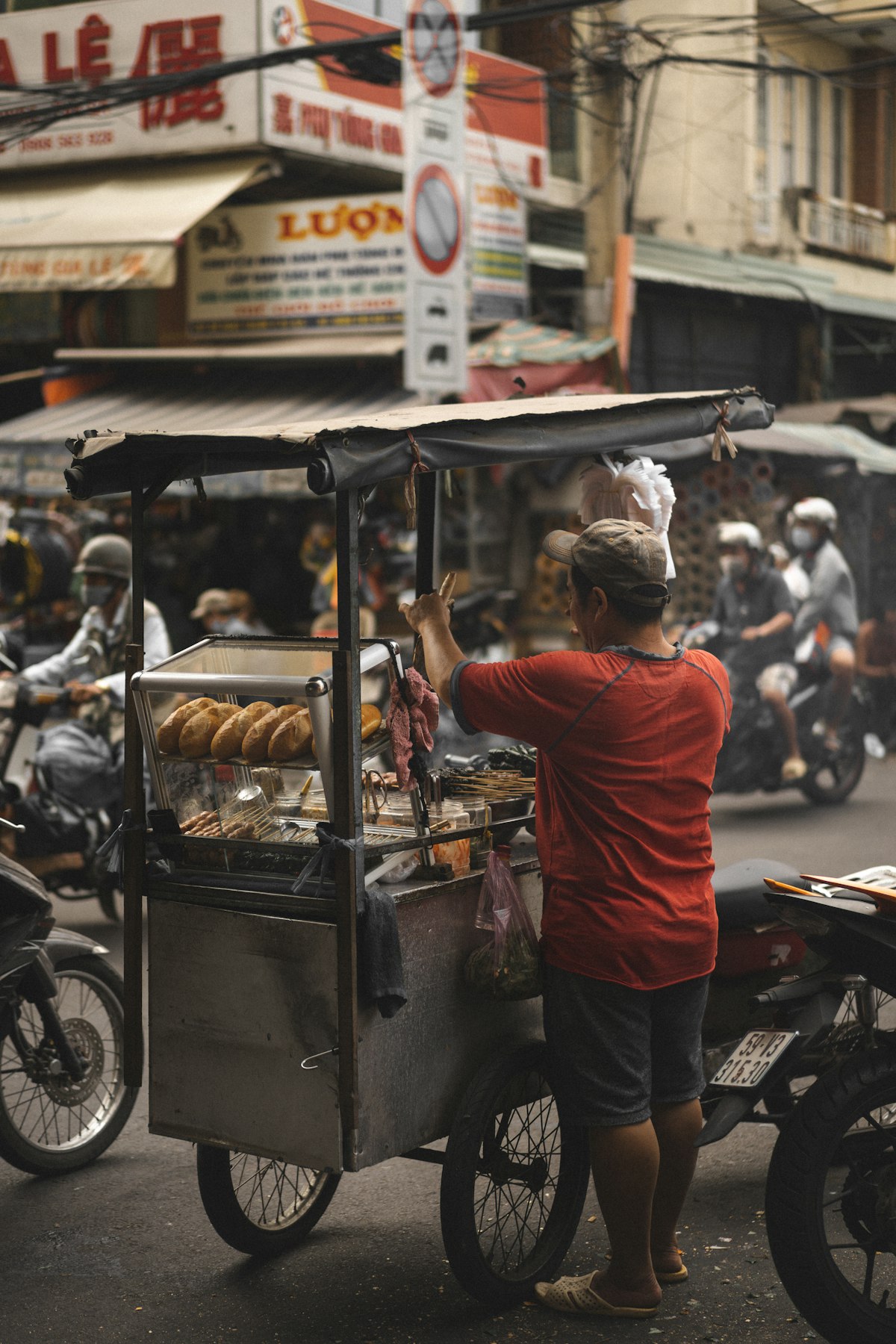
"This is a revered dish, but it is also everyday food. Approach it with curiosity, not ceremony."
For many first-time visitors, ordering Bún Bò Huế can be more intimidating than eating it. The bowl looks rich, the topping names are unfamiliar, and there is often a plate of herbs beside it that seems to come with its own unwritten rulebook.
The good news is that you do not need perfect Vietnamese or local fluency to enjoy the dish properly. You only need a little confidence and a basic sense of what matters.
First, Know What Kind of Place You Are In
Some shops keep the ordering process simple. You sit, they ask what you want, and a standard bowl appears. Other places let you choose topping combinations or bowl sizes.
If you are new, a mixed bowl is often the easiest entry point because it gives you a fuller sense of the dish without forcing you to decode every option on the menu. For background on what makes a great bowl, see What Is Bún Bò Huế?
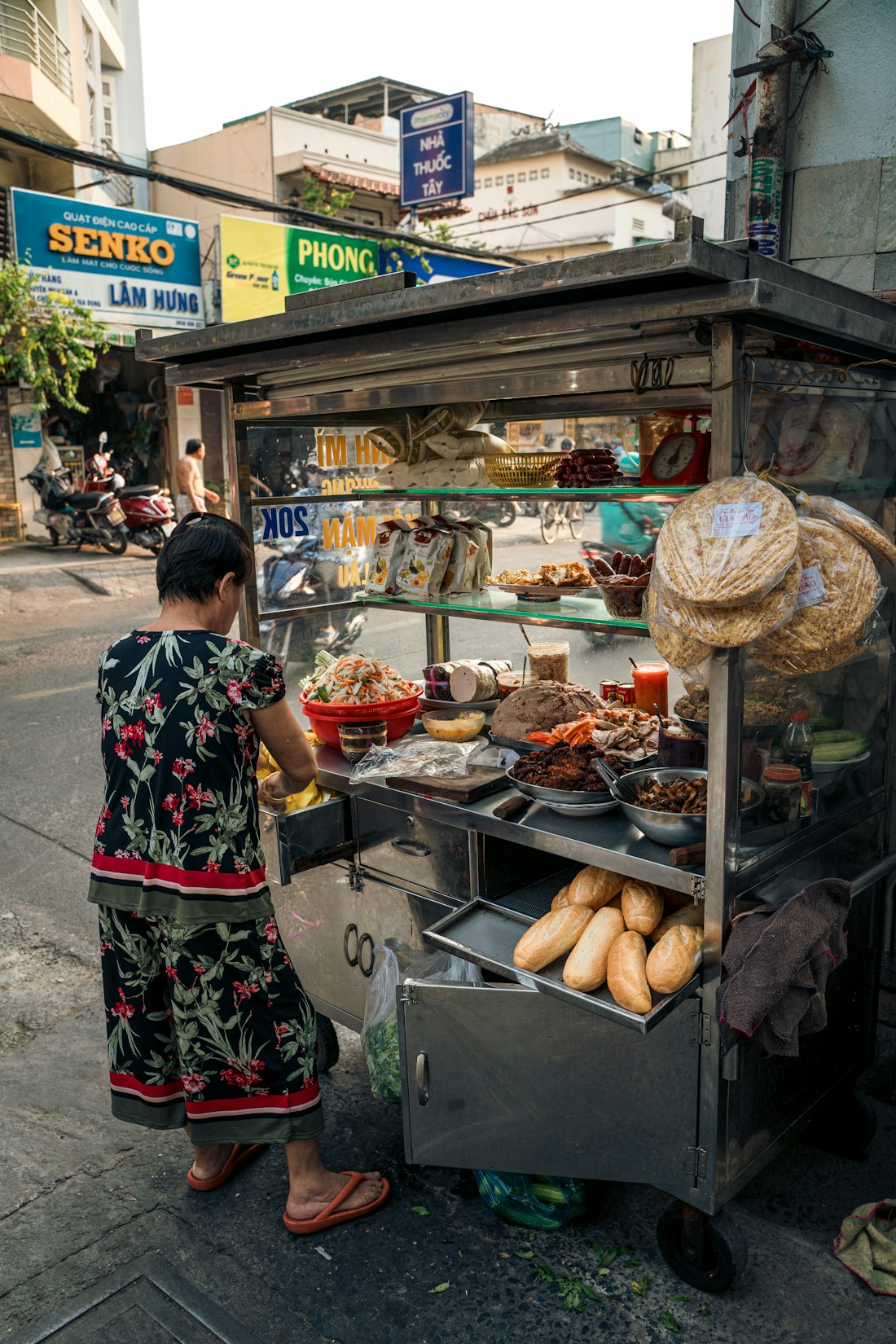
Common Things You May See in the Bowl
Depending on the shop, Bún Bò Huế may include:
- Beef slices or beef shank — the primary protein
- Pork hock (giò heo) — rich, falling-off-the-bone
- Vietnamese pork sausage (chả lụa) — smooth, sliced rounds
- Crab sausage (chả cua) — a Huế specialty
- Blood pudding — traditional, not for everyone
- Thick rice noodles — the signature bún
- Chili oil or saté — floated across the top
- Scallions and onion — for aroma
Some shops lean heavier on beef, some on pork, and some give a more old-school mixed composition.
What Comes on the Side?
The side plate matters. Expect some combination of:
- Bean sprouts
- Banana blossom
- Lime
- Fresh herbs
- Sliced chili
- Shredded cabbage or greens
This is not decoration. It is part of the meal. Learn what every element does in our herb plate guide.
How to Build the Bowl at the Table
A smart order of operations goes like this:
- Taste the broth first — understand the baseline
- Add a small amount of herbs — let them open up
- Add lime only after you know what the broth already tastes like
- Add more chili gradually — you can always add, never subtract
- Adjust to your own rhythm — the bowl is yours to finish
Many first-timers drown the bowl in condiments too quickly. A good bowl deserves a clean first taste.
What If You Do Not Want Certain Toppings?
That is fine. Traditional and personal do not have to be enemies. If you do not want blood pudding or a specific cut, you can usually ask for a simpler bowl or point to a bowl nearby that looks right to you.
The important thing is not to act as though the traditional ingredients are strange or wrong. They are part of the dish's identity, even if they are not for everyone.
How Locals Often Approach the Meal
There is a relaxed practicality to the way locals eat Bún Bò Huế. They do not over-explain it. They sit down, build the bowl the way they like, eat while it is hot, and move on with the day.
That spirit is useful to remember. This is a revered dish, but it is also everyday food in Huế. Approach it with curiosity, not ceremony.
A Few Helpful Menu Words
Even knowing a few terms can make ordering easier:
| Vietnamese | English |
|---|---|
| bún | rice noodles |
| bò | beef |
| giò heo | pork hock |
| chả | sausage or processed meat |
| ớt | chili |
| rau sống | fresh herbs / greens |
| tô lớn / tô nhỏ | large bowl / small bowl |
You do not need to memorize a script. Just recognizing these words helps you feel less lost.
The Best Mindset
Order with respect, taste before adjusting, and let the bowl teach you. Bún Bò Huế is one of those dishes that becomes more understandable once you stop treating it like an exotic challenge and start treating it like breakfast someone cares deeply about.
That shift changes everything. For your next step, see the best places to eat Bún Bò Huế in Huế.