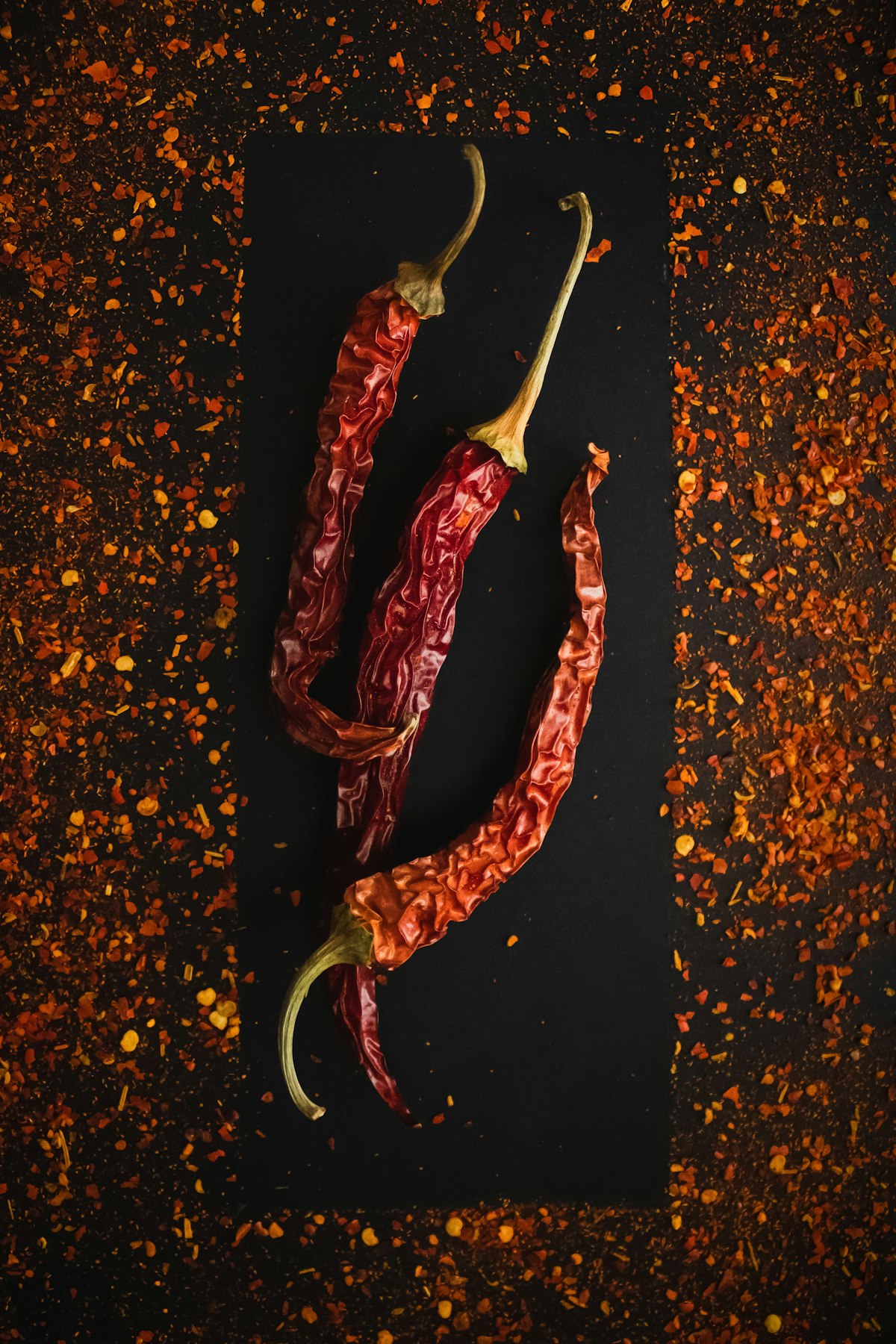
"The heat is not separate from the bowl. It is one of the reasons the bowl feels complete."
One of the most common first questions people ask about Bún Bò Huế is whether it is spicy. The answer is yes. But that answer needs context.
Bún Bò Huế is not spicy in the way some dishes are spicy just to prove a point. The heat is not there only to shock you. In a good bowl, spice is part of the architecture. It works with the lemongrass, the broth, and the shrimp paste to create depth and movement.
Where the Heat Comes From
The spice in Bún Bò Huế usually comes from a few sources working together:
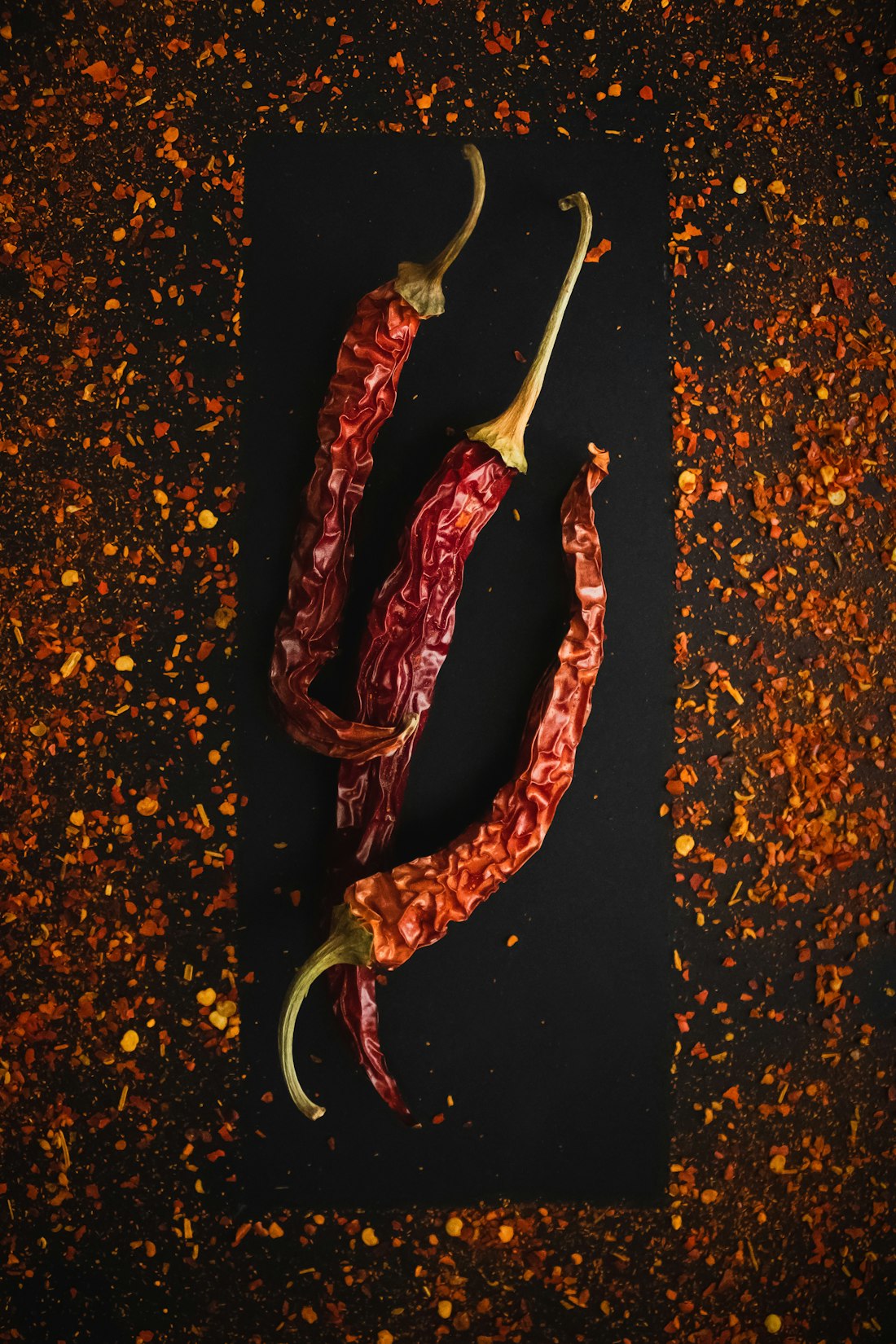
- Chili oil or saté — often floated on top of the broth
- Fresh or dried chili — cooked into the seasoning base
- Aromatics — lemongrass and shrimp paste amplify the perceived heat
- The overall intensity of the broth itself
Some cooks keep the broth relatively gentle and let the chili oil do more work at the end. Others build a stronger baseline heat directly into the pot.
Is the Dish Supposed to Be Spicy?
Traditionally, yes. Heat is one of the defining characteristics of the dish, especially in the way many people understand Huế cooking. A bowl with no warmth at all may still be tasty, but it starts losing part of the dish's identity.
That does not mean every bowl should be aggressive. It means the dish should have energy.
What Kind of Spicy Is It?
This matters more than people think. Bún Bò Huế is often less about raw fire and more about layered warmth. The best bowls feel fragrant, savory, and alive, with heat that blooms rather than attacks.
If a bowl is only hot and nothing else, it is not balanced. The essential ingredients — lemongrass, mắm ruốc, annatto — all contribute to a heat that is aromatic rather than flat.
Can You Make It Milder?
Absolutely. In fact, a lot of home cooks do this intentionally so everyone at the table can adjust their own bowl. A smart way to handle the dish is to keep the broth strong and aromatic, then control the chili level at serving time.
That preserves the soul of the soup while making it more flexible.
How to Reduce the Heat Without Ruining the Bowl
If you are cooking at home or ordering cautiously, here are the best ways to make it gentler:
- Start with less chili oil, not less broth flavor
- Keep the lemongrass and shrimp paste intact
- Use fresh herbs and lime to brighten the bowl
- Add heat gradually at the table
What you do not want to do is flatten everything until the dish tastes generic. A mild Bún Bò Huế can still taste unmistakably like itself. Our easy weeknight version shows how to control spice while keeping the dish honest.
What If You Love Spice?
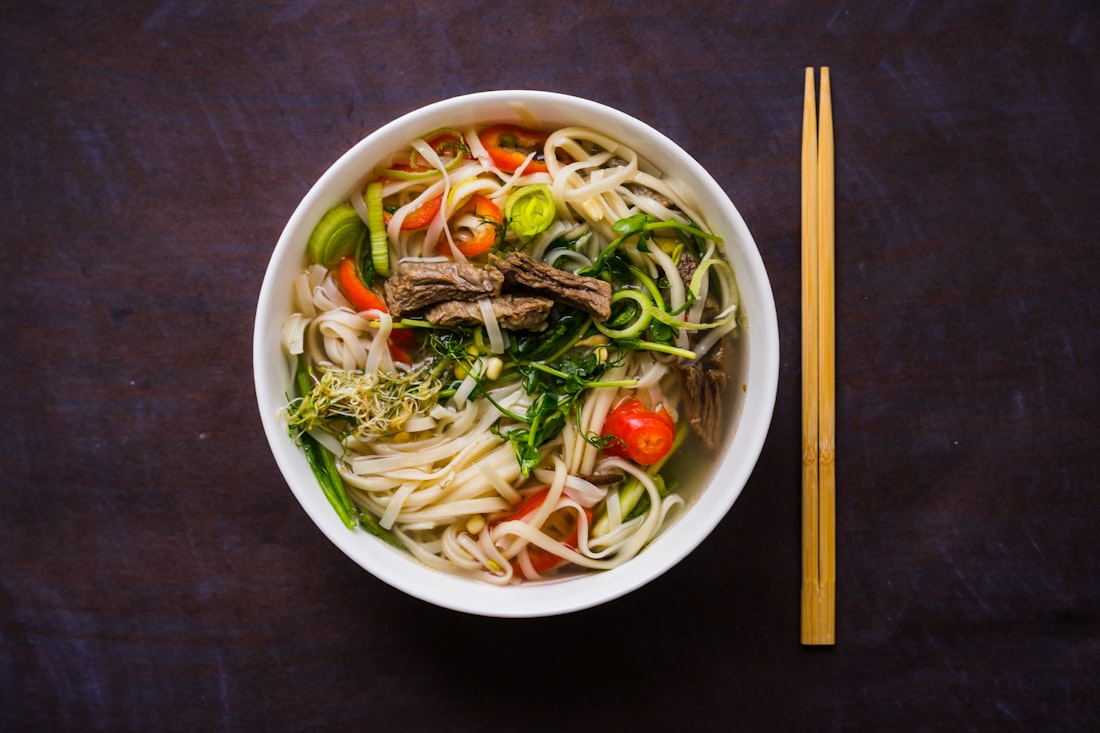
Then this is one of the most rewarding noodle soups you can eat. The dish is built to carry heat beautifully. Extra chili can deepen the experience as long as it does not bury the broth.
That is the difference between intensity and carelessness.
The Real Takeaway
Yes, Bún Bò Huế is spicy. But more importantly, it is flavorful in a spicy way, not merely spicy as a stunt. That distinction is why fans of the dish become so attached to it.
The heat is not separate from the bowl. It is one of the reasons the bowl feels complete. To learn more about how the flavors work together, read about the herb plate that completes every bowl.