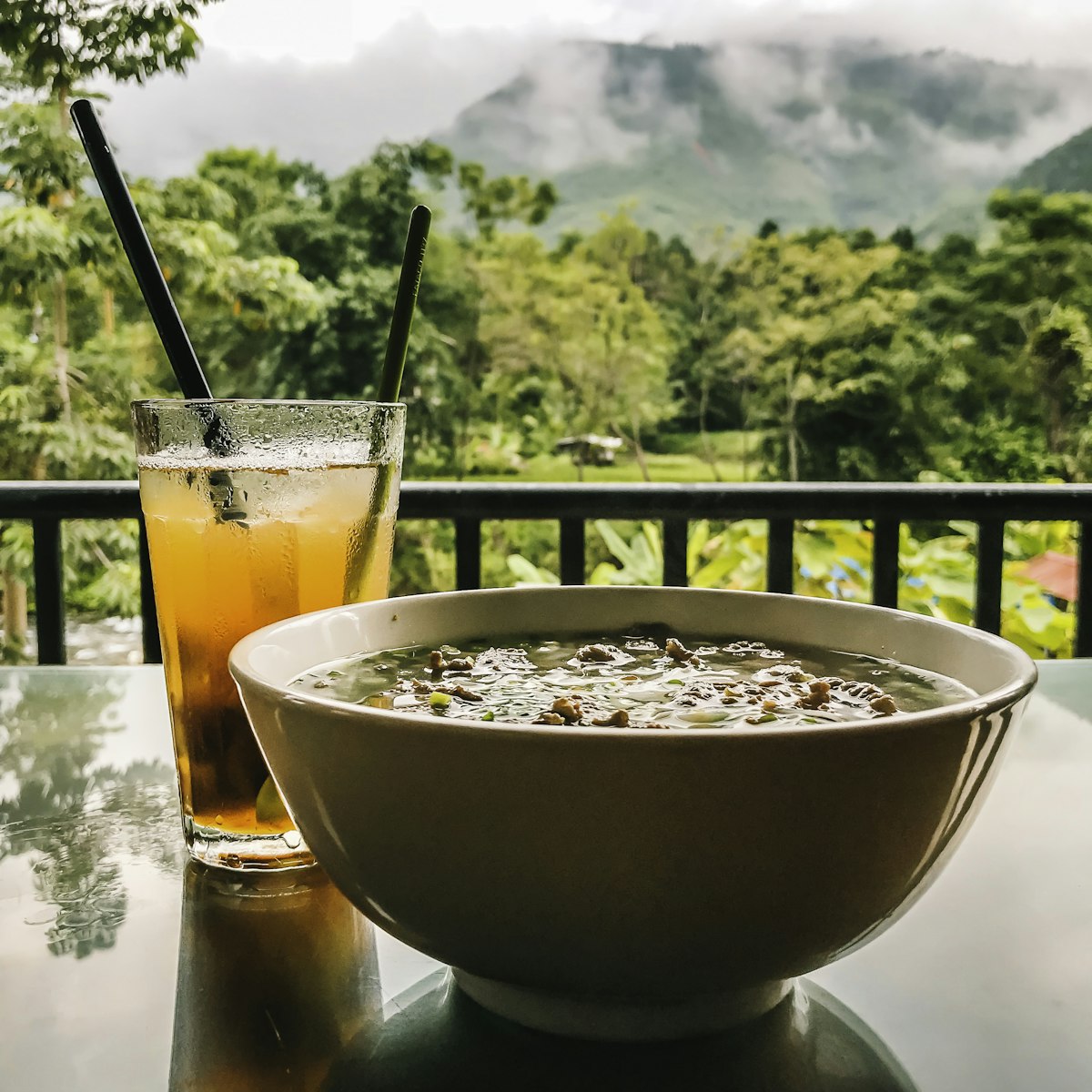
"One invites you in quietly. The other introduces itself with steam, color, and heat."
For people discovering Vietnamese food, phở is usually the first door. Bún Bò Huế often comes later. But once it does, the natural question appears almost immediately: how is it different from phở?
The short answer is that both are noodle soups, but they aim for very different emotional effects. Phở is elegant and restrained. Bún Bò Huế is bold and layered. One invites you in quietly. The other introduces itself with steam, color, and heat.
Here are the differences that actually matter when the bowl lands in front of you.
1. The Broth
Phở broth is typically associated with beef bones, charred onion, ginger, and warm spices like star anise and cinnamon. It aims for clarity and perfume.
Bún Bò Huế broth goes in another direction. It is usually built with both beef and pork, scented with lemongrass, deepened with fermented shrimp paste, and often brightened with chili oil. It is rounder, more muscular, and more savory in a punchier way.
2. The Noodles
Phở uses flat rice noodles.
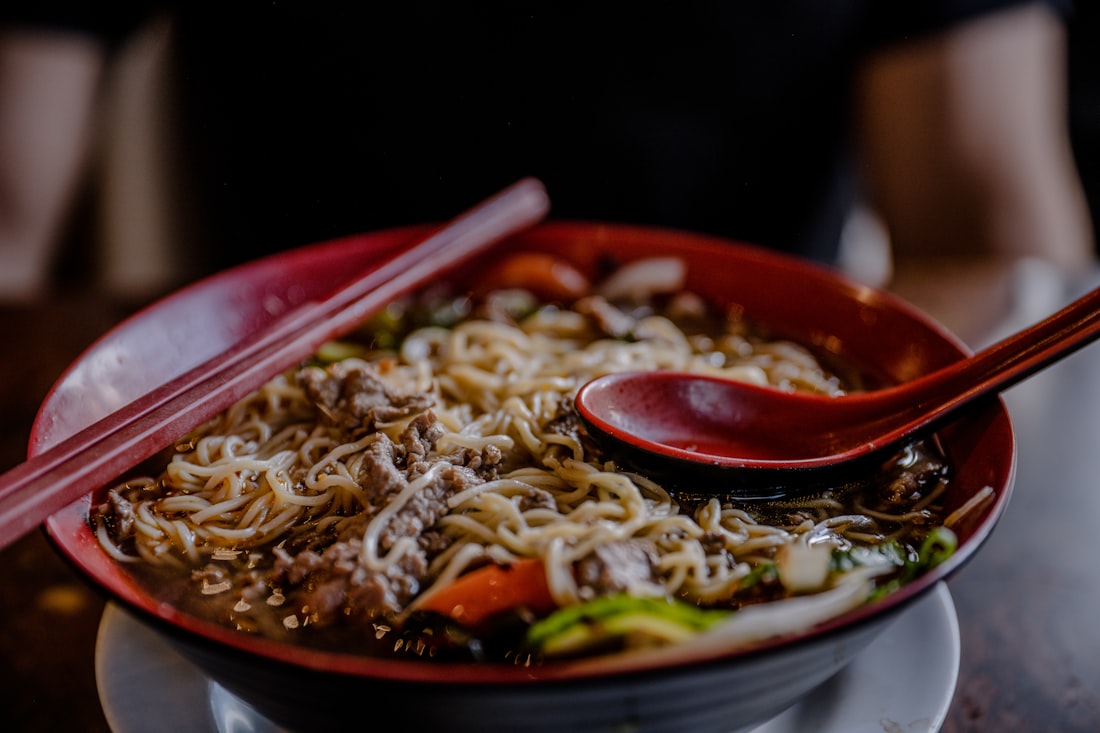
Bún Bò Huế uses thick, round rice vermicelli. These noodles have more chew and hold up better against a stronger broth. They also change the way the dish feels in the mouth. A bowl of Bún Bò Huế has more bounce and heft.
3. The Spice Level
Authentic phở is not defined by heat. You can add chili, of course, but the core identity of the broth is not spicy.
Bún Bò Huế is different. Heat is part of the structure of the dish. Even milder versions are usually built with the expectation that chili belongs in the bowl. For more on this, read Is Bún Bò Huế Spicy?
4. The Toppings
A typical bowl of phở is often simpler in composition: sliced beef, brisket, meatballs, or chicken depending on the variation.
Bún Bò Huế often arrives with a richer cast: beef shank, pork hock, Vietnamese sausage, crab sausage, and sometimes pork blood. It feels more abundant and more texturally varied.
5. The Herbs and Table Ritual
Both dishes come with herbs and condiments, but Bún Bò Huế often turns that side plate into part of the performance. Banana blossom, sprouts, herbs, lime, onions, and extra chili let each person tune the final bowl.
That matters because Bún Bò Huế is a dish you actively shape at the table. It feels more participatory. Learn more about this in The Herb Plate Explained.
6. The Flavor Profile
Phở often emphasizes clarity, warmth, and harmony.
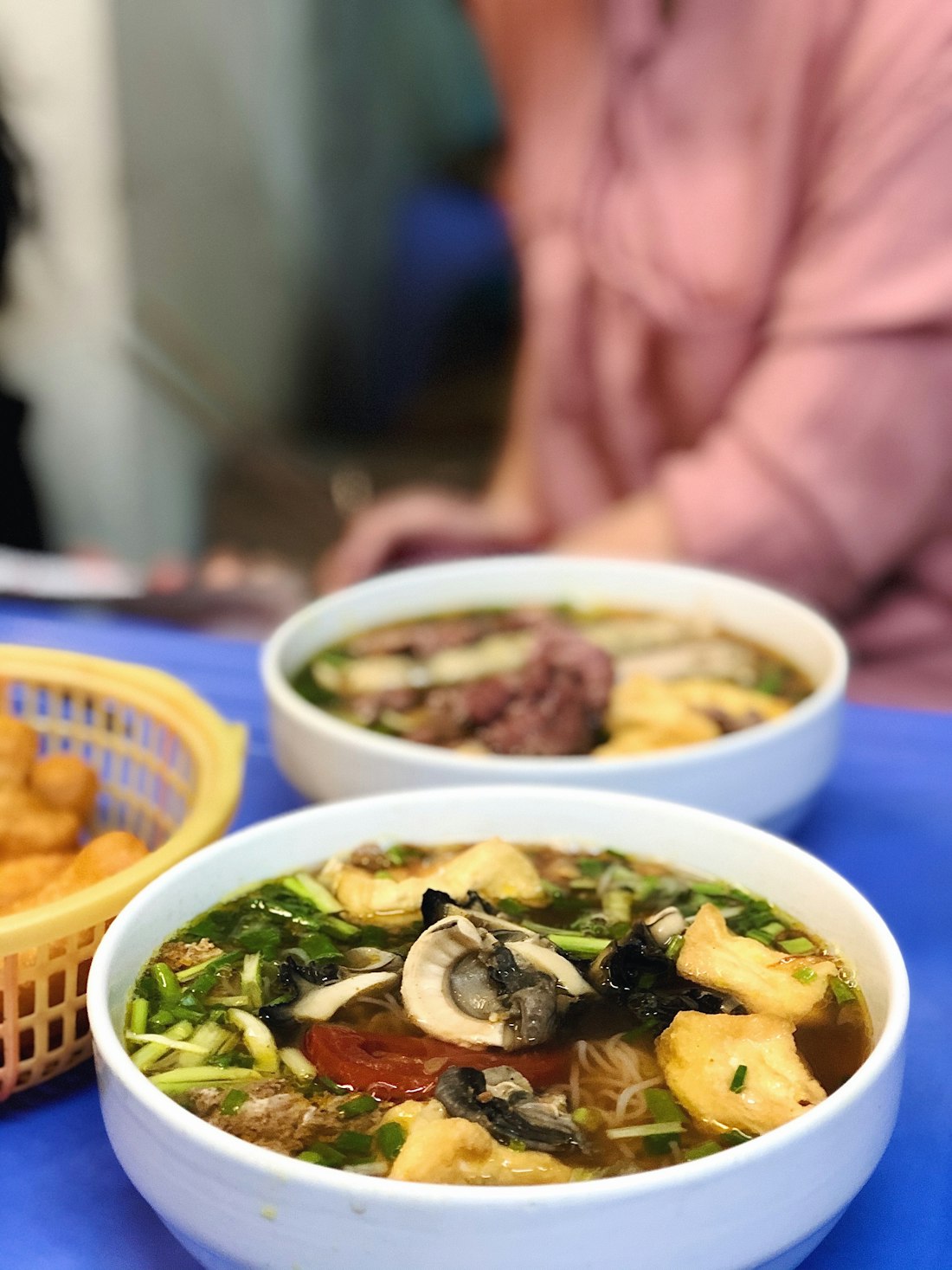
Bún Bò Huế emphasizes contrast: spicy, savory, citrusy, funky, meaty, fresh. It is the kind of dish that keeps changing from spoonful to spoonful depending on what is in the bite.
7. The Personality of the Bowl
This may sound unscientific, but it matters. Phở is calming. Bún Bò Huế is exciting. Phở comforts through softness and familiarity. Bún Bò Huế comforts through intensity and depth.
Neither is better in an absolute sense. They are different kinds of greatness.
So Which One Should You Choose?
Choose phở when you want something fragrant, classic, and clean.
Choose Bún Bò Huế when you want something with more drama: more spice, more layers, more chew, more character.
For many people, phở is the first love. Bún Bò Huế becomes the deeper one. If you are ready to learn more, start with What Is Bún Bò Huế? or dive straight into our traditional recipe.